Calibrating Your Diesel Tank Gauge for Peak Engine Performance
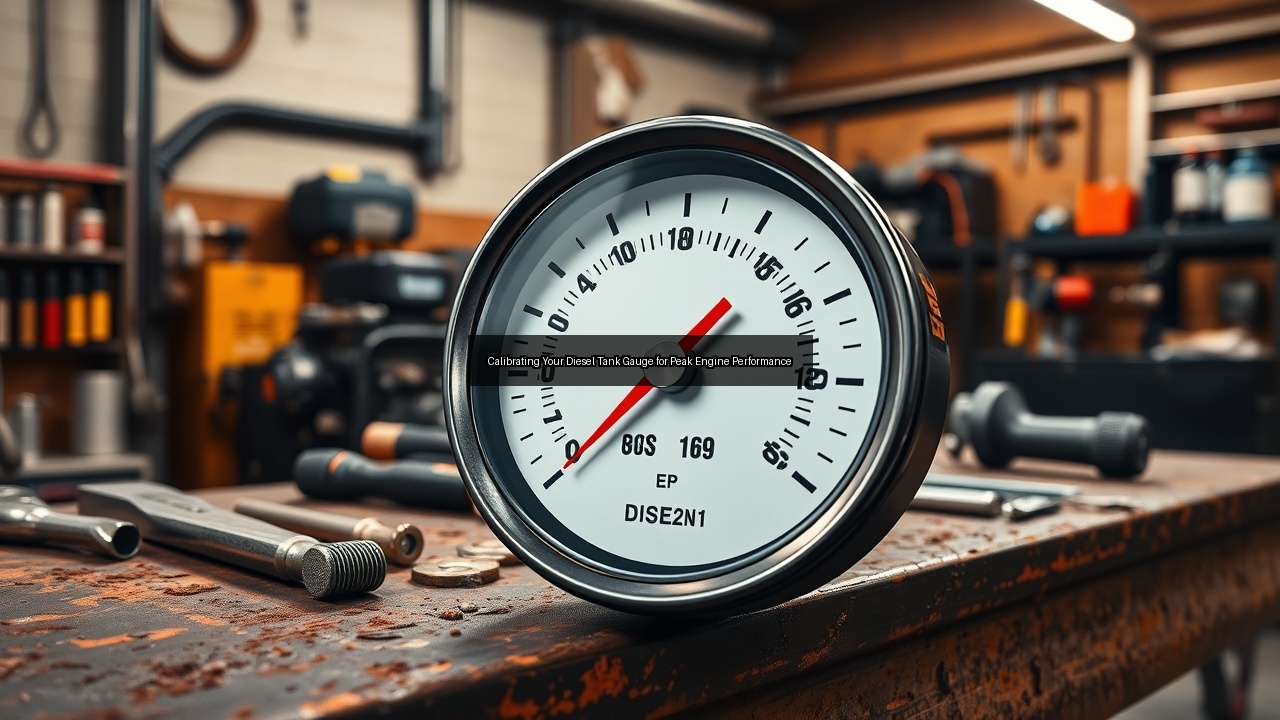
Understanding the Importance of a Diesel Fuel Tank Gauge
Role of the Diesel Fuel Tank Gauge in Engine Performance
The diesel fuel tank gauge plays a crucial role in the overall performance of diesel engines. This component provides real-time data regarding the fuel level, enabling operators to make informed decisions about refueling and operational efficiency. A properly functioning gauge ensures that diesel fuels are available when needed, preventing engine stalling, which can occur due to fuel starvation. Moreover, maintaining accurate tank readings helps in optimizing fuel consumption and engine performance, as operators can better plan their fuel usage based on actual consumption rates rather than estimates. A malfunctioning gauge can lead to wasted fuel, increased operational costs, and even potential damage to engine components from running low on fuel.
In addition to preventing potential stalling, accurate diesel fuel tank gauges can assist in predictive maintenance. With data on fuel consumption patterns, operators can anticipate when refueling will be necessary, allowing for better scheduling of fuel deliveries and minimizing downtime. Moreover, many modern gauges are integrated with telematics systems, providing remote monitoring capabilities that allow fleet managers or operators to track fuel levels and consumption rates in real-time from their offices or mobile devices.
Impact of Accurate Gauging on Fuel Efficiency
Accurate gauging of diesel fuel not only enhances engine performance but also significantly impacts fuel efficiency. When operators have precise information about fuel levels, they can avoid unnecessary trips to the fuel station, thus saving time and money. Additionally, accurate monitoring of fuel allows for better management of fuel oil consumption in various applications, from generators to farm machinery. This efficiency translates into lower overall operational costs, making businesses more competitive. By calibrating the diesel fuel tank gauge and ensuring it operates correctly, operators can maximize the distance traveled per gallon of diesel, ensuring every drop counts towards productivity. Furthermore, an accurate gauge helps in identifying fuel theft or leaks, which can be a significant concern in industrial and commercial applications.
Fuel efficiency is not just about minimizing costs; it also has a broader environmental impact. By ensuring that diesel engines operate at optimal fuel levels, businesses can reduce their carbon footprint. Efficient fuel usage leads to lower emissions, making compliance with environmental regulations easier to achieve. In the long run, this not only supports corporate responsibility initiatives but can also enhance a company's public image and appeal to environmentally conscious consumers.
Common Issues with Diesel Fuel Gauges
Several common issues can affect the accuracy and functionality of diesel fuel tank gauges. One prevalent problem is the accumulation of debris and sludge in the tank, which can obstruct the float mechanism, leading to incorrect readings. Additionally, electrical faults, such as broken wires or corroded connections, can cause gauges to malfunction. Environmental factors, particularly in the United States, can also impact gauge performance, with extreme temperatures causing expansion and contraction of materials. Recognizing these issues early can prevent significant problems and costly repairs down the line. Regular checks and maintenance of the diesel fuel tank gauge can help identify these common problems before they escalate.
Other issues may arise from the type of diesel fuel used. For instance, biodiesel blends can have different properties compared to traditional diesel, potentially leading to gauge inaccuracies if the system is not calibrated accordingly. Additionally, improper installation of the gauge can also lead to persistent problems, making it essential for operators to follow manufacturer guidelines during installation and maintenance.
Tools and Techniques for Calibration
Essential Tools for Diesel Fuel Gauge Calibration
To ensure precise calibration of the diesel fuel tank gauge, several essential tools are required. A multimeter is crucial for checking electrical connections and ensuring the gauge receives accurate voltage. A calibration kit specifically designed for diesel fuel gauges can provide the necessary devices to check and adjust the gauge readings. Additionally, having a manual for the specific gauge model can streamline the calibration process by providing manufacturer guidelines. Other helpful items include a clean container for sampling fuel, a funnel for easy pouring, and safety gloves to protect against any spills. These tools combined create a comprehensive toolkit for maintaining and calibrating diesel tank gauges efficiently.
Furthermore, employing software tools that track fuel usage and gauge readings can enhance the calibration process. Some advanced systems even allow operators to input calibration data directly into a computer, making it easier to manage and analyze fuel consumption patterns over time. This integration of technology can greatly improve the accuracy and reliability of diesel fuel management practices.
Step-by-Step Calibration Process
Calibrating a diesel fuel tank gauge involves a systematic approach to ensure accuracy. Begin by ensuring that the tank is clean and free of debris; this step prevents inaccuracies caused by obstructions. Next, disconnect the electrical connections from the gauge. Using a multimeter, check for voltage and continuity in the wiring, ensuring everything is functioning properly. If the gauge is not responding as expected, adjustments may be necessary. Following the manufacturer's calibration manual, adjust the float or the gauge settings as needed. Once adjustments are made, reconnect the gauge and fill the tank with a small amount of diesel fuel to test the readings. Monitor the gauge as you add fuel and ensure it reflects the increasing levels accurately. Repeat the process until the gauge consistently shows the correct fuel level.
It is also advisable to perform a full calibration check after major repairs or replacements of the fuel system components, as these changes can impact gauge accuracy. Regular calibration not only ensures accurate readings but also extends the lifespan of the fuel gauge, contributing to overall system reliability.
Monitoring and Adjusting Calibration Data
Once the calibration process is complete, ongoing monitoring is essential to maintain accuracy. Regular checks of the diesel fuel tank gauge should be part of routine maintenance practices. Operators should document gauge readings and compare them against actual fuel usage and levels to spot discrepancies. If differences arise, adjustments may be needed again. Data logging software or even a simple logbook can help track these readings over time, allowing operators to spot trends or issues that may require further investigation. Keeping an eye on calibration data ensures the diesel fuel tank gauge remains reliable, contributing to optimal engine performance and fuel efficiency.
Additionally, utilizing analytics tools to interpret logged data can provide insights into fuel consumption patterns, helping operators identify opportunities for further efficiency improvements. This proactive approach allows businesses to adapt their fuel management strategies based on historical data, leading to enhanced operational efficiency and cost savings.
Maintenance Practices for Optimal Performance
Regular Maintenance Checks for Fuel Tanks
Routine maintenance checks of diesel fuel tanks are vital for ensuring the longevity and performance of fuel systems. Operators should inspect tanks for rust, leaks, or any signs of wear. Regularly cleaning the tanks prevents sediment build-up that can affect the fuel gauge’s accuracy. Implementing a schedule for these checks, ideally every few months, helps identify issues early. In addition, checking fuel filters regularly ensures that only clean fuel enters the engine, further enhancing performance and efficiency. Monitoring the condition of connections and seals also prevents contamination, which can lead to gauge malfunction and engine problems.
Moreover, operators should consider conducting a comprehensive fuel quality assessment to ensure that the diesel fuel being used meets the required specifications. This assessment can help identify issues such as microbial contamination or the presence of water, which can negatively impact engine performance and fuel gauge accuracy. By integrating fuel quality checks into regular maintenance routines, operators can ensure optimal performance of both the fuel system and the engine.
Compliance with EPA Regulations
Compliance with Environmental Protection Agency (EPA) regulations is critical for diesel fuel tank operations. The EPA sets standards for fuel storage to prevent leaks and spills, which can have significant environmental impacts. Operators must stay informed about these regulations and ensure that their fuel systems meet necessary compliance standards. Regular inspections and maintenance practices play a key role in adhering to these guidelines. Additionally, keeping records of maintenance activities can demonstrate compliance during audits or inspections, protecting businesses from potential fines or penalties.
In addition to EPA regulations, operators should also be aware of any state or local environmental regulations that may apply. This includes requirements for secondary containment systems, spill response plans, and proper disposal of waste materials. By staying compliant with all relevant regulations, operators can mitigate risks associated with fuel storage and usage.
Utilizing Diesel Exhaust Fluid Effectively
Utilizing diesel exhaust fluid (DEF) effectively contributes to optimal engine performance and compliance with emissions regulations. DEF reduces nitrogen oxide emissions in diesel engines, which is crucial for meeting EPA standards. Operators should ensure that DEF is stored properly and monitor its levels regularly, as this fluid is essential for the functioning of selective catalytic reduction (SCR) systems in modern diesel engines. By integrating DEF usage with routine maintenance checks of the diesel fuel tank gauge and fuel system, operators can enhance engine efficiency while also adhering to environmental regulations. Additionally, operators should be aware of the shelf life of DEF and ensure that it is used within the recommended timeframe to maintain its effectiveness.
Proper training for staff regarding the handling and storage of DEF is also essential. Understanding the importance of keeping DEF free from contamination, as well as ensuring that it is dispensed correctly into the engine system, can significantly impact overall engine performance and emissions levels. This attention to detail can further enhance a company’s commitment to environmental stewardship and compliance.
Troubleshooting Diesel Fuel Tank Gauge Problems
Identifying Signs of Malfunction
Recognizing signs of malfunction in a diesel fuel tank gauge is crucial for maintaining optimal engine performance. Common indicators include fluctuating gauge readings, failure to register fuel levels accurately, or complete inoperability. Operators may notice that the gauge remains stuck at a particular level, even after refueling. These issues not only affect fuel management but can also lead to unexpected engine performance problems. Understanding these signs allows for timely troubleshooting and repairs, ultimately preventing more severe complications that could arise from running diesel fuels gauge out of fuel unexpectedly.
Additionally, operators should be aware of any unusual sounds or smells associated with the fuel tank or gauge, which could indicate further underlying issues. For example, a hissing sound may suggest a pressure problem, while unusual odors could signal fuel leaks. Promptly addressing these symptoms can save time and resources in the long term.
Solutions for Common Gauge Issues
Addressing common diesel fuel tank gauge issues requires a methodical approach. For fluctuating readings, first check the electrical connections for corrosion or loose wires. Cleaning and tightening these connections often resolves the problem. If the gauge remains stuck, inspect the float mechanism within the tank for obstructions or damage. In some cases, recalibrating the gauge may rectify inaccuracies. If these solutions do not resolve the issues, replacement of the gauge may be necessary. Keeping a record of maintenance and repair activities can help identify recurring problems and inform future troubleshooting efforts.
In scenarios where the gauge is consistently inaccurate despite troubleshooting, evaluating the entire fuel system may be warranted. This could involve checking for leaks, assessing the condition of the fuel lines, and ensuring that the fuel tank itself is in good condition. By taking a holistic approach to troubleshooting, operators can ensure that not only the gauge is functioning correctly but that the entire fuel system is optimized for performance.
When to Seek Professional Assistance
Certain situations warrant seeking professional assistance for diesel fuel tank gauge issues. If operators encounter persistent problems that do not respond to standard troubleshooting methods, consulting a technician can provide more in-depth diagnostics. Additionally, any electrical issues involving wiring systems may require specialized knowledge to ensure safety and proper repair. Operators should not hesitate to call in professionals for complex repairs or if they are unsure about the calibration process. Properly functioning diesel fuel tank gauges are critical for reliable engine performance, making expert help invaluable when needed. Furthermore, engaging with professionals can facilitate the adoption of best practices and new technologies in fuel management, enhancing overall operational efficiency.
In summary, while operators can perform basic maintenance and troubleshooting, recognizing the limits of their expertise is crucial. When in doubt, seeking professional guidance can help ensure that diesel fuel systems operate at their best, ultimately leading to improved performance and cost-efficiency.