Gravity Feed Tanks Explained for Optimal Oil Dispensing
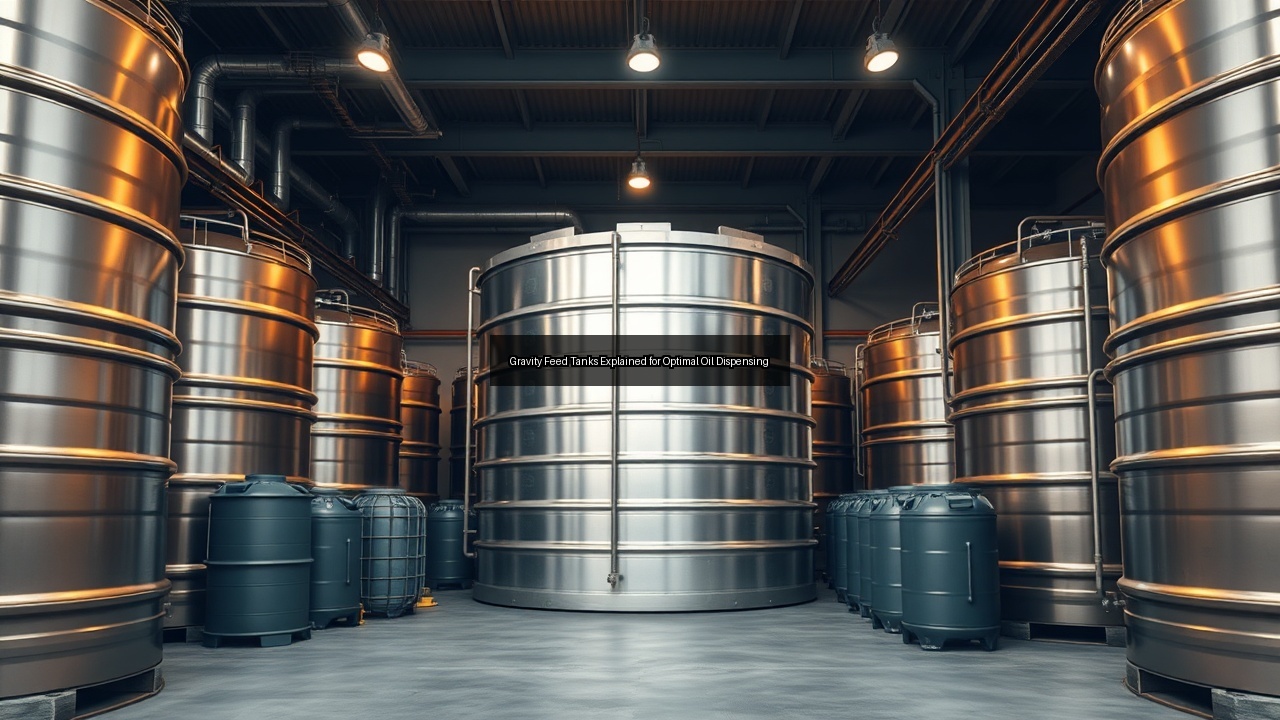
Understanding Gravity Feed Tanks
What Are Gravity Feed Tanks?
Gravity feed tanks serve as a pivotal solution in the oil dispensing industry. These tanks utilize the natural force of gravity to dispense oil and other lubricants, making them an efficient choice for various applications. Typically made of durable materials like steel or high-density polyethylene, gravity feed tanks come in various sizes and capacities ranging from smaller plastic containers to large oil storage tanks that hold hundreds of gallons. Their design often features a simple outlet tap or valve at the bottom, allowing for easy access to the stored oil. This straightforward structure not only minimizes the need for complex pumping systems but also reduces the risk of mechanical failure, ensuring a steady flow of lubricant when needed.
How Gravity Feed Tanks Work
The operation of gravity feed tanks hinges on the principle of gravitational force. When the tank is positioned at an elevated height, oil flows downward through gravity to the dispensing point. Users can control the flow rate by adjusting the valve or tap at the outlet. Gravity feed systems are particularly efficient for transferring oil from larger storage tanks to smaller containers or directly into machinery. This method eliminates the need for electric pumps, which can be costly and require maintenance. Moreover, gravity feed tanks can easily be integrated into existing storage setups, making them a versatile option for oil and gas storage. In environments where power sources are limited or unavailable, gravity feed tanks prove to be a reliable alternative for oil dispensing.
Advantages of Using Gravity Feed for Oil Dispensing
Gravity feed tanks offer several advantages that make them an attractive option for oil dispensing. Firstly, their simplicity translates into lower operational costs. Without the need for electrical components, users save on energy expenses and minimize the risk of mechanical breakdowns. Secondly, gravity feed systems are environmentally friendly, as they reduce the potential for spills and leaks often associated with pump systems. The low-tech design allows for easy monitoring of oil levels, enabling timely refills and reducing waste. Additionally, gravity feed tanks can accommodate a variety of lubricants, from motor oil to hydraulic fluids, making them versatile storage containers in any workshop or industrial setting. Overall, the practicality and efficiency of gravity feed tanks enhance their appeal in the world of oil storage and dispensing.
Types of Oil Storage Containers
Comparing Oil Tanks and Plastic Containers
When it comes to oil storage containers, two predominant types stand out: metal oil tanks and plastic containers. Metal oil tanks, often constructed from steel, provide robust protection against punctures and environmental factors. Their durability makes them suitable for long-term outdoor storage. However, they can be subject to rust and corrosion if not properly maintained. On the other hand, plastic containers, typically made from high-density polyethylene, offer lightweight alternatives that resist corrosion and are less likely to rust. While plastic containers are easier to transport and handle, they may not provide the same level of protection against impact damage. Both storage options have their merits, and the choice between them often depends on the specific needs of the operation, including storage capacity, location, and the type of oil being stored.
Drum Tanks vs. Cage Tanks
Drum tanks and cage tanks serve distinct purposes within the realm of oil storage. Drum tanks, usually cylindrical in shape, can hold significant volumes of oil, often ranging from 30 to 55 gallons. They are versatile and can be transported easily, making them popular for both industrial and small-scale applications. Cage tanks, in contrast, consist of a robust frame that houses one or more containers. This structure enhances stability and security, making cage tanks ideal for containers for storing oil storing multiple smaller containers of lubricants or other fluids. While drum tanks excel in volume, cage tanks provide better organization and accessibility. The decision between drum and cage tanks comes down to storage needs, workspace layout, and the frequency of oil dispensing.
Choosing the Right Container for Your Needs
Selecting the appropriate oil storage container requires careful consideration of several factors. First, assess the type and volume of oil you need to store. For large-scale operations requiring significant quantities of oil, robust metal oil tanks or large drum tanks may be necessary. Conversely, smaller operations might benefit from plastic containers that are easier to handle and refill. Second, consider the environmental conditions where the container will be stored. Outdoor storage may necessitate a more durable tank to withstand the elements, while indoor conditions may allow for lighter options. Additionally, evaluate local regulations regarding oil storage to ensure compliance. The ideal container not only meets practical needs but also aligns with safety and environmental standards, contributing to a well-organized oil storage system.
Best Practices for Oil Storage and Dispensing
Maintaining Your Oil Storage Tanks
Regular maintenance of oil storage tanks is crucial for ensuring their longevity and safe operation. Inspect tanks frequently for signs of leaks, rust, or corrosion. Any visible damage can compromise the integrity of the storage container and lead to hazardous spills. Cleaning the tanks periodically also helps prevent contamination of the stored oil. Use appropriate cleaning agents and techniques to avoid damaging the tank material. Additionally, ensure that the area surrounding the tank is free from debris and flammable materials, creating a safer environment. Implementing an effective maintenance schedule not only extends the lifespan of the oil storage tanks but also promotes the safety of your operation by minimizing risks associated with oil spills and leaks.
Safety Measures for Oil and Gas Storage
Implementing robust safety measures for oil and gas storage is paramount in preventing accidents and ensuring compliance with regulations. First, equip storage areas with appropriate fire suppression systems, including extinguishers and sprinklers, specifically designed for flammable liquids. Additionally, establish clear signage indicating potential hazards and emergency procedures. Regular training for personnel handling oil and gas products is essential; they must understand the risks and know how to respond in case of an emergency. Furthermore, consider installing secondary containment systems, such as spill trays or barriers, to capture any accidental leaks. These safety measures create a safer environment for both personnel and the surrounding community, safeguarding against the potentially devastating effects of oil spills and fires.
Optimal Dispensing Techniques for Lubricants
Employing optimal dispensing techniques for lubricants ensures efficiency and minimizes waste during oil transfer. Utilize calibrated dispensing equipment that accurately measures the quantity of oil being dispensed, whether in quarts, liters, or gallons. This precision prevents overfilling and reduces spillage. When dispensing oil from gravity feed tanks, position containers at a lower level to facilitate smooth flow and avoid air locks. Use clean, dedicated hoses to prevent contamination and maintain the integrity of the lubricants. Additionally, consider employing a filtration system to catch any particulates before oil container the oil reaches the machinery. By adopting these best practices, you can ensure effective lubricant dispensing while maintaining the quality of your oil storage containers.
Regulations and Compliance in Oil Storage
Understanding Local Storage Regulations
Compliance with local storage regulations is essential for any operation dealing with oil and gas storage. Regulations may vary significantly depending on geographical location, so it's crucial to familiarize yourself with local laws regarding oil storage tanks. Many jurisdictions require specific permits for the installation and operation of oil tanks, particularly those used for commercial purposes. Additionally, local regulations often dictate the construction materials, tank capacities, and safety measures required. Regular audits and inspections may also be mandated to ensure compliance. Understanding these regulations not only helps avoid fines and legal issues but also promotes safe practices that protect the environment and public health.
Environmental Considerations for Oil Storage
Environmental considerations play a vital role in the management of oil storage tanks. Proper storage practices can significantly reduce the risk of spills and leaks that could harm the surrounding ecosystem. Use double-walled tanks or secondary containment systems to provide extra layers of protection against potential leaks. Ensure that all storage areas are equipped with spill kits and that personnel are trained in spill response procedures. Regularly monitoring tanks for signs of leaks or deterioration is also essential. By prioritizing environmental responsibility, businesses not only comply with regulations but also contribute to the sustainability of their communities.
Best Practices for Compliance
Adhering to best practices for compliance in oil storage involves a combination of proactive measures and ongoing education. Maintain comprehensive records of inspections, maintenance, and training sessions to demonstrate compliance with local regulations. Establish a routine schedule for tank inspections and maintenance to catch any issues early. Regularly review and update safety protocols to align with changing regulations and best practices in the industry. Engaging with local environmental agencies can provide valuable insights into compliance requirements and best practices. By fostering a culture of compliance and safety, businesses can enhance their operational integrity while minimizing risks associated with oil storage.