How to Optimize Your Injection Molding Process for Better Results
Understanding the Injection Molding Process
Overview of Injection Molding
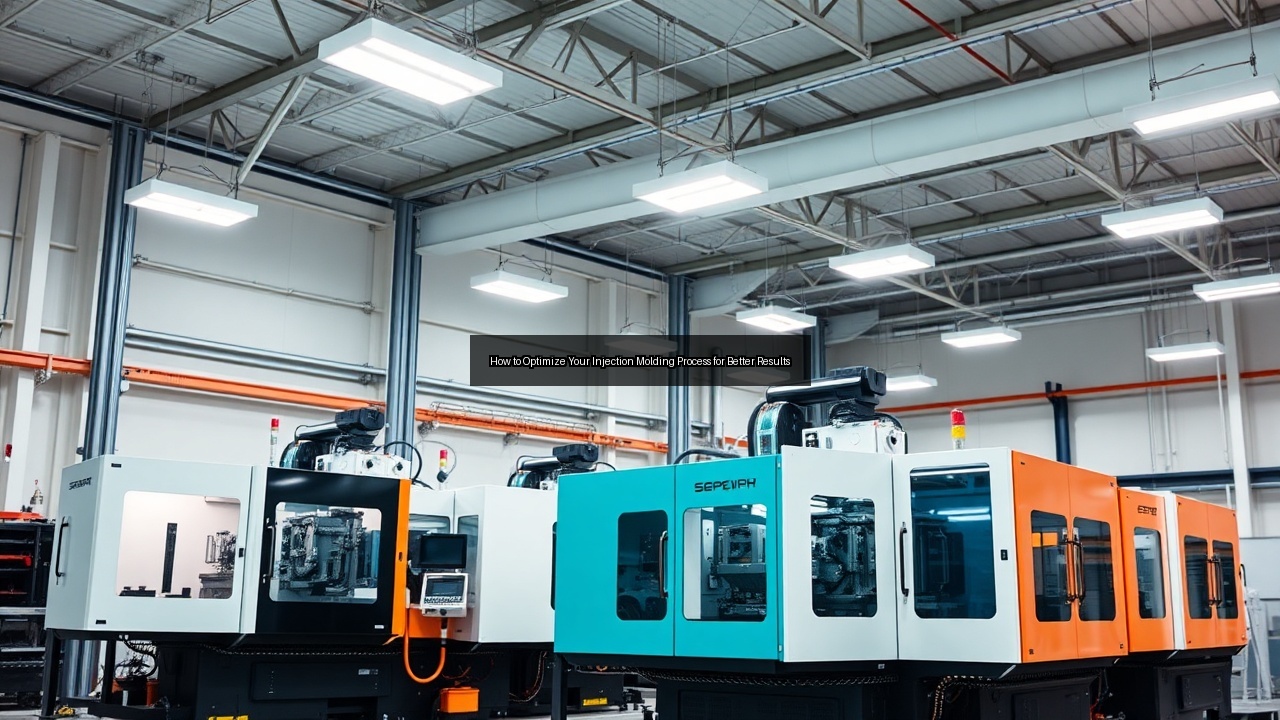
Injection molding serves as a cornerstone of modern manufacturing, particularly in the production of plastic parts. This method involves injecting molten plastic into a mold, allowing it to cool and solidify into the desired shape. Manufacturers favor injection molding for its ability to produce high volumes of consistent and complex parts efficiently. The process accommodates various plastics, providing flexibility in design and application. Industries ranging from automotive to consumer goods utilize this technique, showcasing its versatility and efficiency. Understanding the injection molding process is crucial for optimizing production and achieving high-quality results.
Key Components of Injection Molds
The injection mold itself comprises several essential components. The core and cavity form the primary structure, shaping the final product. The runner system channels the molten plastic from the injection unit to the mold. Gates control the flow of plastic into the cavities, ensuring even distribution. Cooling channels, integrated into the mold, help regulate temperature, speeding up the solidification process. Other components, like ejector pins, facilitate the removal of the finished part from the mold. Each element plays a critical role in ensuring the injection molding process runs smoothly, emphasizing the need for precision in mold design and construction.
Stages of the Injection Molding Process
The injection molding process unfolds in several distinct stages. First, raw plastic pellets undergo heating in the barrel of the injection unit until they melt into a viscous state. Next, the molten plastic is injected into the mold under high pressure. Once filled, the material cools and solidifies, forming the desired shape. After cooling, the mold opens, and the finished injection-molded part is ejected. Finally, any necessary finishing processes, such as trimming or assembly, take place. Each stage is critical to achieving optimal results, and understanding these stages can lead to significant improvements in efficiency and quality.
Optimizing Your Injection Molding Techniques
Enhancing Mold Design for Efficiency
Efficient mold design plays a pivotal role in optimizing the injection molding process. Incorporating features like uniform wall thickness reduces stress during cooling, minimizing defects. Additionally, designing for ease of ejection ensures that parts release cleanly from the mold, reducing cycle times. Implementing advanced simulation software during the design phase can reveal potential issues before fabrication, saving time and resources. Furthermore, integrating cooling channels into the mold design can enhance temperature control, speeding up the production process. A well-thought-out mold design not only improves efficiency but also enhances the quality of the finished products, leading to fewer rejects and lower costs.
The Role of Materials in Injection Molding
Material selection significantly influences the performance and cost of injection-molded parts. Different plastics exhibit varying properties, such as strength, flexibility, and thermal resistance, affecting their suitability for specific applications. Polypropylene, for example, offers excellent chemical resistance and is often used in automotive and consumer products. Alternatively, engineering plastics like ABS provide enhanced strength and durability, making them ideal for industrial applications. Understanding the characteristics of different plastics enables manufacturers to choose materials that not only meet functional requirements but also align with budget constraints. Collaborating with a reputable plastic injection molding manufacturer can provide valuable insights into material selection for optimal results.
Utilizing Two-Shot Injection Molding for Complex Parts
Two-shot injection molding represents an innovative technique for producing complex parts with multiple materials or colors in a single cycle. This method involves injecting two different types of plastic into the same mold, allowing for design flexibility and functionality. For instance, manufacturers can combine soft and hard plastics to create parts with enhanced grip and durability. Two-shot injection molding reduces assembly time, minimizes waste, and improves overall product quality by creating a seamless bond between materials. This technique is particularly beneficial for industries requiring intricate designs, such as consumer electronics and automotive components. Employing two-shot injection molding can elevate your product offerings and streamline production processes.
Choosing the Right Plastic Injection Molding Manufacturer
Evaluating Plastic Injection Molding Companies
Selecting the right plastic injection molding manufacturer is crucial for achieving desired outcomes. Begin by examining the company's experience and expertise in the industry. A reputable manufacturer should possess a portfolio showcasing successful projects similar to your needs. Additionally, consider their production capabilities, including the types of molds and materials they work with. It's essential to ensure that the manufacturer can handle your specific requirements, whether for high-volume production or custom designs. Requesting client references can provide valuable insights into their reliability and quality of service, aiding in making an informed decision.
Criteria for Selecting a Custom Plastic Injection Molding Company
Choosing a custom plastic injection molding company requires careful consideration of several factors. Look for manufacturers that prioritize quality control, employing rigorous testing and inspection processes to ensure consistent results. Evaluate their technological capabilities, including the use of advanced machinery and software for mold design and production. Additionally, assess their communication and customer service, as a responsive manufacturer can facilitate smoother collaboration. Competitive pricing is also essential, but prioritize value over cost. A partner that balances quality, service, and affordability will ultimately contribute to your project's success.
Benefits of Partnering with a Reputable Manufacturer
Partnering with a reputable plastic injection molding manufacturer offers numerous advantages. Experienced manufacturers bring industry knowledge and technical expertise, guiding you through the design and production process. They can provide insights into material selection, mold design, and manufacturing techniques, enhancing your product’s quality and performance. Established manufacturers often have access to advanced technologies, ensuring efficiency and precision in the injection molding process. Moreover, a strong relationship with a reliable manufacturer can lead to better pricing, faster turnaround times, and improved support throughout the project lifecycle, making them invaluable partners in your manufacturing journey.
Maximizing Efficiency and Reducing Costs
Implementing Lean Manufacturing Principles
Adopting lean manufacturing principles can significantly enhance efficiency in the injection molding process. These principles focus on minimizing waste while maximizing productivity. Techniques like value stream mapping help identify bottlenecks and streamline processes, ensuring that every step adds value. Implementing standardized work procedures can enhance consistency and reduce errors, leading to fewer defects in injection-molded parts. Continuous improvement initiatives encourage teams to identify areas for enhancement, fostering a culture of innovation. By embracing lean manufacturing, companies can not only reduce costs but also improve product quality and customer satisfaction.
The Importance of Quality Control in Injection Molding
Quality control plays a vital role in the success of injection molding operations. Establishing stringent quality control measures ensures that every injection-molded part meets specified standards and tolerances. Regular inspections during the production process can catch defects early, reducing the risk of costly rework or scrapping of parts. Implementing statistical process control (SPC) allows manufacturers to monitor processes in real time, identifying trends and deviations that could impact quality. Investing in quality control not only enhances product reliability but also builds customer trust, ultimately benefiting the manufacturer’s reputation and bottom line.
Innovations in Injection Molding Technology
The injection molding industry continually evolves, with innovations driving efficiency and quality improvements. Technologies such as 3D printing and computer-aided design (CAD) streamline mold design and prototyping, reducing lead times. Advanced materials, including biodegradable plastics, expand the range of applications and promote sustainability. Automation and robotics in the injection molding process enhance precision and speed, minimizing labor costs. Staying abreast of these innovations allows manufacturers to remain competitive and responsive to market demands. Embracing new technologies can significantly enhance operational efficiency, reduce costs, and improve product quality in the injection molding process.
See Also
- How to Choose the Right Plastic Injection Molding Company for Your Project
- The Cost Factors of Custom Plastic Injection Molding Explained
- Comparing Plastic Injection Molding Suppliers for Your Manufacturing Needs
- A Comprehensive Guide to Finding the Best Plastic Injection Molding Company
- Understanding the Injection Molding Process from Start to Finish