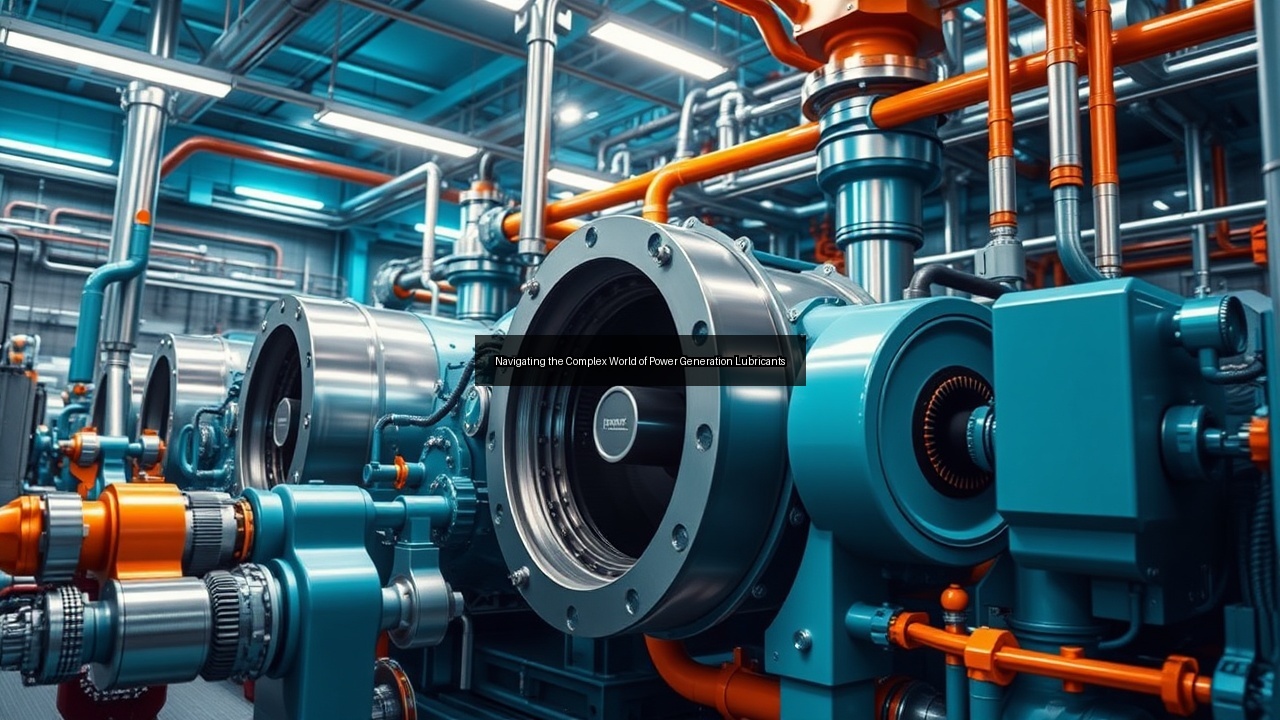
Navigating the Complex World of Power Generation Lubricants
Understanding Power Generation Lubricants
The Role of Lubricants in Power Generation
Lubricants play a crucial role in the efficiency and reliability of power generation systems. In power plants, they reduce friction between moving parts, minimize wear and tear, and help dissipate heat generated by engines and turbines. This function is vital for maintaining optimal performance in various energy generation environments, including gas, nuclear, hydroelectric, and wind. Proper lubrication ensures that machinery operates smoothly, enhancing overall efficiency and extending the lifespan of equipment. Moreover, the right lubricants enhance reliability by preventing catastrophic failures, which can lead to costly downtimes and increased maintenance costs.
Types of Lubricants Used in Power Plants
Power generation lubrication encompasses a diverse range of lubricants tailored for different applications. Engine oils, turbine oils, and greases are among the most commonly used types. Engine oils, formulated for internal combustion engines, offer high-temperature performance and protect against oxidation. Turbine oils, on the other hand, are designed for gas and steam turbines, providing excellent thermal stability and resistance to foaming. Greases, specifically designed to remain in place under pressure, are often employed in bearings and joints to ensure long-lasting performance. Each type of lubricant meets specific requirements dictated by the operating conditions of the power generation facility, ensuring efficient operation and longevity of the equipment.
Importance of Cleanliness in Lubrication Systems
Cleanliness in lubrication systems is paramount in power generation. Contaminants such as dirt, moisture, and metal particles can significantly compromise lubricant effectiveness, leading to varnish build-up and other issues. Varnish, a sticky residue that forms in lubrication systems, can clog filters and impair the functionality of turbines and other machinery. Implementing effective filtration systems and regular maintenance checks is essential to maintain cleanliness. A clean lubrication system not only enhances performance but also reduces the risk of unexpected equipment failures, thereby improving reliability and uptime. Adopting stringent cleanliness protocols can lead to considerable cost savings by minimizing downtime and maintenance interventions.
Challenges in Power Generation Lubrication
Varnish Build-Up in Turbines
Varnish build-up presents one of the most significant challenges in power generation lubrication. This sticky residue accumulates in lubrication systems, particularly in turbines, due to thermal degradation of oils and the presence of contaminants. Varnish causes operational inefficiencies, leading to increased friction and heat, which can ultimately result in equipment failure. To combat varnish formation, power plants must implement effective varnish control strategies, such as using high-quality lubricants that resist oxidation and employing advanced filtration systems. Regular monitoring of lubricant condition and proactive maintenance can significantly mitigate varnish-related issues, ensuring reliable operation of critical components.
Downtime and Its Impact on Reliability
Downtime in power generation can have severe implications for reliability and operational efficiency. Unexpected equipment failures often result in significant financial losses, not only from repair costs but also from lost electricity generation. The interplay of various factors, such as inadequate lubrication, contamination, and wear, can contribute to increased downtime. To minimize this impact, power plants must prioritize proactive maintenance strategies, including regular condition monitoring of lubricants and machinery. By ensuring that lubrication systems operate effectively, facilities can enhance reliability and reduce the risk of unplanned outages, ultimately improving overall productivity in electricity generation.
Condition Monitoring Techniques for Lubricants
Condition monitoring techniques for lubricants are essential for maintaining the health of power generation systems. Regular analysis of lubricant properties, such as viscosity, acidity, and contamination levels, provides valuable insights into the condition of both the lubricant and the machinery it serves. Techniques such as oil sampling, spectrometric analysis, and particle counting enable operators to detect potential issues before they escalate into serious problems. Implementing these monitoring practices allows power plants to optimize maintenance schedules, extend lubricant life, and enhance the reliability of turbines and other critical systems. By leveraging condition monitoring, facilities can significantly improve operational efficiency and reduce maintenance costs.
Optimizing Power Generation Lubrication
Maintenance Strategies for Enhanced Uptime
Implementing effective maintenance strategies is key to optimizing power generation lubrication and enhancing uptime. Regular inspections, oil analysis, and timely lubricant changes can prevent issues caused by wear, contamination, and degradation. Power plants should establish a maintenance schedule that aligns with the specific operational demands of their equipment. Utilizing a proactive approach, such as predictive maintenance, allows operators to anticipate failures and address them before they impact operations. Training personnel in lubrication best practices further enhances maintenance effectiveness, ensuring that all equipment receives the proper care and attention it requires to operate efficiently. Such comprehensive strategies significantly improve uptime, reliability, and the overall performance of power generation facilities.
Inventory Management for Lubricant Supplies
Effective inventory management of lubricant supplies is crucial for power plants aiming to optimize their operations. Maintaining an adequate stock of lubricants ensures that facilities can respond promptly to maintenance needs without delays that could lead to downtime. Implementing just-in-time inventory systems allows plants to reduce carrying costs while ensuring that high-quality lubricants are always available. Employing inventory management software can streamline the tracking of lubricant usage and facilitate timely reordering. Additionally, establishing relationships with lubricant suppliers can provide insights into emerging products and technologies that can enhance lubrication strategies. By prioritizing efficient inventory management, power plants can significantly reduce costs and improve operational efficiency.
Technologies in Lubrication Systems for Efficiency
Advancements in technologies for lubrication systems have transformed power generation lubrication practices. Innovations such as automated lubrication systems and advanced filtration technologies have improved efficiency and reliability. Automated systems ensure that lubricants are delivered precisely where needed, reducing the risk of over-lubrication or under-lubrication. Advanced filtration technologies remove contaminants effectively, maintaining the cleanliness of lubrication systems. Additionally, the integration of IoT and data analytics enables real-time monitoring of lubricant conditions, providing actionable insights for maintenance decisions. By adopting these technologies, power plants can enhance the efficiency of their lubrication systems, leading to better performance and reduced overall maintenance costs.
Future Trends in Power Generation Lubrication
Emerging Lubricant Technologies for Renewable Energy
The shift towards renewable energy sources, such as wind and hydroelectric power, drives the development of new lubricant technologies. These emerging lubricants must meet unique demands, such as operating in extreme conditions and promoting sustainability. Biodegradable and environmentally friendly lubricants are gaining traction, as they align with the growing emphasis on reducing the ecological footprint of power generation. Advancements in synthetic lubricants also promise enhanced performance, thermal stability, and longer service life. As the energy landscape continues to evolve, power generation lubrication will adapt to support the efficient operation of renewable energy systems, ensuring reliability and sustainability in electricity generation.
The Role of OEMs in Lubricant Development
Original Equipment Manufacturers (OEMs) play a pivotal role in the development of lubricants specifically designed for power generation applications. OEMs collaborate with lubricant manufacturers to create formulations that meet the stringent requirements of modern power plants. This partnership ensures that lubricants are tailored to the unique operational environments of gas turbines, nuclear energy systems, and hydroelectric power plants. By leveraging their expertise, OEMs contribute to the optimization of lubricant performance, enhancing efficiency and reliability. Continued collaboration between OEMs and lubricant suppliers will lead to innovations that further improve the lubrication systems critical to power generation.
Grease Guns and Their Applications in Power Generation
Grease guns serve as an essential tool in the maintenance of power generation systems. These devices allow for precise application of greases, ensuring that bearings and other critical components receive the necessary lubrication. In environments such as wind turbines, where accessibility can be a challenge, grease guns enable technicians to efficiently deliver lubricants to hard-to-reach areas. The versatility of grease guns, combined with the development of advanced grease formulations, enhances their utility in power generation lubrication. As power plants adopt more sophisticated lubrication practices, grease guns will remain integral to maintaining the reliability and efficiency of essential machinery.