The Importance of Girth Weld Inspection in Pipeline Integrity
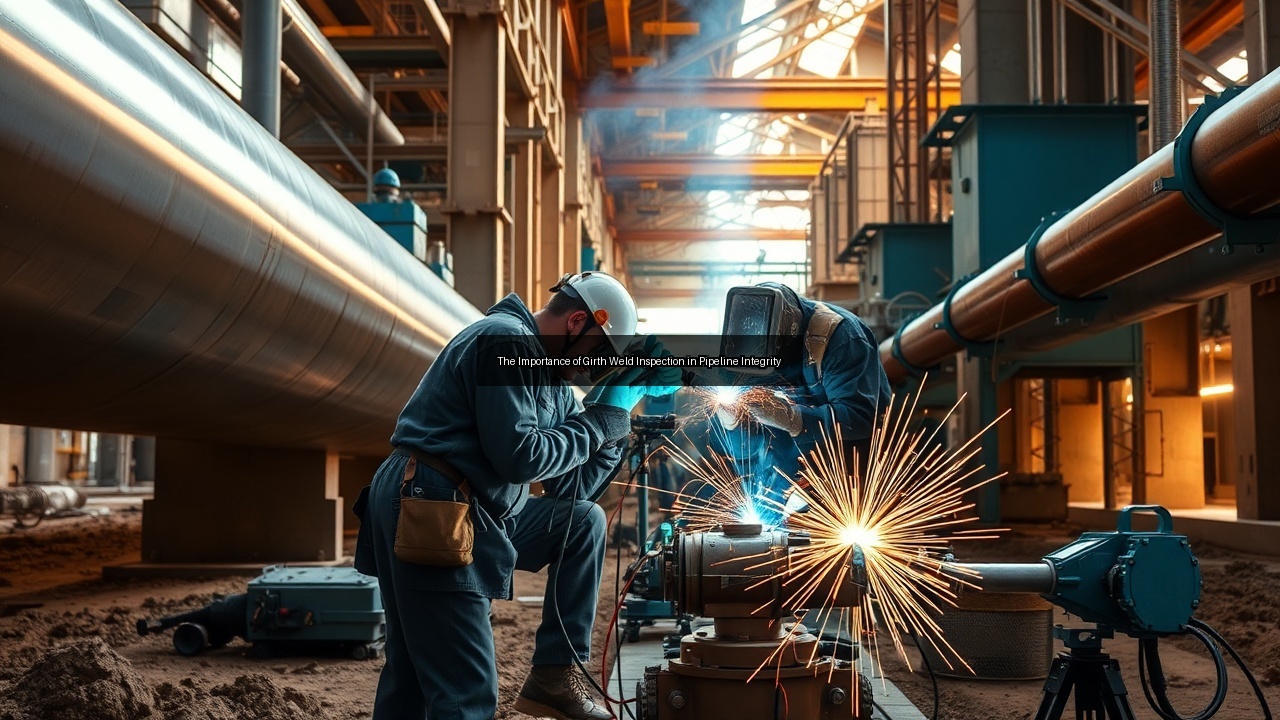
Understanding Pipeline Girth Welding
Overview of Girth Welds
Girth welds form the backbone of pipeline construction, connecting segments of pipe into a continuous flow system. These welded joints play a critical role in ensuring the structural integrity and functionality of the pipeline. A girth weld typically encircles a pipe, providing a robust joint that withstands various operational pressures and environmental conditions. The quality of these welds directly affects the overall performance and longevity of the pipeline, making the girth weld joint a focal point in welding inspection and maintenance practices. Proper techniques and adherence to welding standards are essential to achieve reliable girth welds that meet safety and regulatory requirements.
Importance of Weld Strength in Pipeline Integrity
The strength of girth welds significantly influences pipeline integrity. A strong weld can resist external stresses, including temperature fluctuations and pressure changes, which can lead to failures if not properly managed. Weak welds may result in leaks, ruptures, or even catastrophic failures, leading to environmental hazards and costly repairs. Therefore, engineers prioritize achieving optimal weld strength during the pipeline girth welding process. Rigorous testing and inspections ensure that welds can withstand operational demands. This focus on strength not only safeguards the pipeline but also protects the surrounding environment and communities reliant on these critical infrastructure systems.
Materials Used in Girth Welding: Stainless Steel and Beyond
Various materials are used in girth welding, with stainless steel being a popular choice due to its excellent weldability and resistance to corrosion. Stainless steel pipelines can endure harsh environments, making them suitable for transporting corrosive substances. However, other materials, such as carbon steel and plastics, also find applications in specific contexts. Each material presents unique challenges in terms of welding techniques and inspection requirements. Understanding the properties of these materials is crucial for selecting the right welding method, ensuring the girth welds can handle the demands of their intended use, and maintaining long-term pipeline integrity.
The Role of Girth Weld Inspection
Key Objectives of Weld Inspection
Weld inspection serves as a critical safeguard in pipeline construction, focusing on several key objectives. First, it verifies adherence to specified welding standards and practices, ensuring that each girth weld meets the necessary quality benchmarks. Second, inspections identify any defects that may compromise the integrity of the weld, such as cracks, porosity, or incomplete fusion. Third, the inspection process ensures that welders adhere to established procedures, maintaining consistency and reliability across the pipeline. By fulfilling these objectives, girth weld inspection plays a vital role in preventing potential failures, extending the lifespan of the pipeline, and ensuring safety for both workers and the environment.
Types of Weld Inspection Techniques
Several inspection techniques are utilized to evaluate girth welds, each offering distinct advantages. Visual inspection remains the most straightforward method, allowing inspectors to detect surface defects easily. However, visual inspection alone may not be sufficient for comprehensive evaluation. Non-destructive testing (NDT) methods, such as ultrasonic testing and radiographic inspection, provide deeper insights into weld quality. Ultrasonic testing employs high-frequency sound waves to detect internal flaws, while radiographic inspection uses X-rays to reveal structural issues within the weld. Each technique contributes to a thorough understanding of weld integrity, allowing for informed decisions regarding the safety and performance of the pipeline.
The Importance of Non-Destructive Testing in Girth Weld Inspection
Non-destructive testing (NDT) is crucial in girth weld inspection, allowing for the assessment of weld quality without damaging the pipeline. NDT techniques, including ultrasonic inspection, magnetic particle testing, and dye penetrant testing, identify defects that could lead to failures. The ability to detect issues early enables prompt corrective actions, reducing the risk of leaks and structural failures. Moreover, NDT enhances the overall reliability of pipeline operations, ensuring that infrastructure remains safe and functional over time. Implementing rigorous NDT protocols during the inspection phase not only adheres to regulatory requirements but also fosters public confidence in pipeline safety.
Challenges in Girth Weld Integrity
Common Defects in Girth Welds
Despite advancements in welding technology and inspection techniques, common defects still pose challenges in girth weld integrity. These defects include cracks, lack of fusion, and incomplete penetration, which can compromise the strength of the weld. Cracks may develop due to excessive thermal stress or improper welding techniques, leading to significant vulnerabilities. Lack of fusion occurs when the molten weld metal fails to bond properly with the base material, creating weak spots. Incomplete penetration affects the depth of the weld, leaving areas susceptible to failure. Identifying and addressing these defects during the inspection process is essential for maintaining the overall integrity of pipelines.
Impact of Corrosion on Pipeline Integrity
Corrosion presents a persistent threat to pipeline integrity, particularly in girth welds where different materials meet. Factors such as moisture, temperature, and chemical exposure accelerate corrosion processes, leading to material degradation over time. Corrosive environments can significantly weaken welds, increasing the likelihood of leaks and other failures. Regular inspection and maintenance are critical to identify early signs of corrosion and implement preventive measures. Protective coatings, cathodic protection, and environmental controls can mitigate corrosion effects, ensuring that girth welds maintain their strength and functionality throughout their operational lifespan.
Temperature Effects on Weld Performance
Temperature plays a crucial role in the performance of girth welds, influencing both the welding process and the material properties of the weld. High temperatures during welding can alter the microstructure of the base material and the weld itself, potentially leading to weakened joints. Conversely, extreme cold can make materials brittle, increasing the risk of cracking under stress. Understanding the thermal characteristics of the materials involved allows welders to select appropriate welding techniques and parameters that accommodate temperature variations. Continuous monitoring of temperature conditions during both the welding process and operational use ensures that girth welds perform reliably under varying environmental conditions.
Best Practices for Girth Weld Procedures
Guidelines for Effective Girth Welding
Implementing best practices in girth welding is essential for achieving high-quality welds that ensure pipeline integrity. Welders should adhere to established procedures, including pre-welding preparation, proper joint fit-up, and selection of appropriate filler materials. Maintaining optimal welding parameters, such as temperature and speed, is crucial for achieving consistent results. Regular training and certification of welders enhance their skills and knowledge, ensuring compliance with industry standards. Furthermore, documentation of welding procedures and inspection results provides a valuable reference for future maintenance and repairs, contributing to the long-term reliability of the pipeline.
Friction Stir Welding: An Innovative Approach
Friction stir welding (FSW) offers an innovative approach to girth welding, leveraging a solid-state process that minimizes defects compared to traditional methods. In FSW, a rotating tool generates frictional heat, softening the material and allowing for a solid-phase bond without melting. This technique produces high-quality welds with excellent strength and minimal distortion, making it particularly effective for aluminum and other non-ferrous materials. The reduced heat input in FSW minimizes the risk of thermal defects, contributing to enhanced weld integrity. As the industry continues to explore advanced welding methods, friction stir welding stands out as a promising solution for achieving superior girth welds.
Implementing Quality Control During Pipeline Construction
Quality control during pipeline construction is paramount for ensuring the integrity of girth welds. Establishing comprehensive quality assurance programs involves regular inspection of materials, welding processes, and final welds. Consistent monitoring of welding parameters and conditions helps identify deviations from established standards, allowing for timely corrective actions. Engaging third-party inspectors can provide an additional layer of scrutiny, ensuring that independent evaluations reinforce compliance with industry regulations. By prioritizing quality control throughout the construction process, pipeline operators can minimize risks, enhance safety, and extend the operational lifespan of their infrastructure.