Comparing Glass vs. Bioplastics for Sustainable CBD Oil Bottling
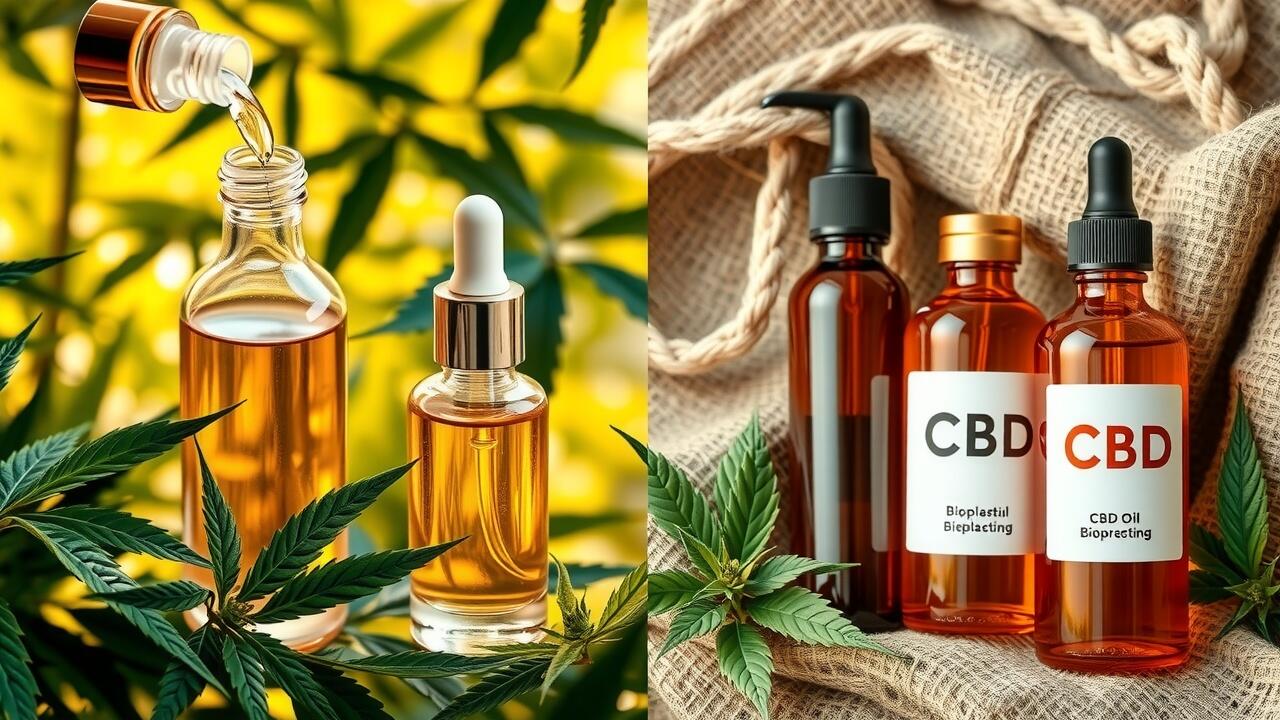
Key Takeaways
- Public Opinion: What's Inside the Container?
- Eco-Friendliness: A Transparent Champion?
- Longevity and Storage: Who Reigns Supreme?
- The Artistic Aspect: Crafting with Glass vs. Bioplastics
- 5 Essential Tips for Selecting the Ideal Packaging
Consumer Perception
Nothing says “I care about your wellness” like a bottle that looks good and feels classy. When consumers encounter CBD oil packaging, the vessel itself sparks a myriad of emotions, including admiration for well-crafted glass or skepticism towards that biodegradable container labeled “eco-friendly.” Research shows that 70% of consumers equate quality with packaging aesthetics. A clear glass bottle, reflecting purity and sophistication, might make one think of artisanal potions brewed in a quaint cottage, while a colorful bioplastic container could evoke thoughts of a science experiment gone awry. Choose wisely, brands.
Packaging for CBD products plays a crucial role in shaping consumer perception beyond mere visuals. For instance, customers often associate glass with longevity and premium quality, boosting brand trust. On the other hand, bioplastics boast an appealing sustainability narrative, tapping into the eco-conscious mindset of modern shoppers. If your brand is juggling both aesthetics and ethics, consider blending visual appeal with practical considerations. Packaging that tells a story while aligning with consumer values may elevate your cbd fulfillment strategies drastically.
How Do Glass and Bioplastics Influence Buying Decisions? (Brand trust and visual appeal)
The choice of packaging for CBD products often boils down to consumer perception. Glass might evoke thoughts of luxury and authenticity, while bioplastics could bring quirky, eco-friendly vibes to the table. A study by Packaged Facts revealed that products packaged in glass experienced a 20% higher trust rating among consumers compared to those in less traditional materials. One might think that a sleek glass bottle filled with golden CBD oil somehow makes the product more effective, paving the way for a more premium price point. Conversely, bioplastics can appeal to environmentally conscious buyers. That “plant-based” label makes people feel like they’re saving turtles while enjoying their CBD treats, even if it’s just a plastic bottle shaped like a leaf.
The visual dynamics of packaging significantly impact buying behavior. Research shows that 75% of consumers form opinions about a brand based solely on packaging design. If a CBD fulfillment company aims to attract health-conscious buyers, its cbd oil packaging should resonate with simplicity and transparency. Consider the brand Charlotte’s Web, which utilizes clear glass for its tinctures. Their commitment to quality and trustworthiness shines through every drop. On the flip side, brands using bioplastics can promote a colorful, vibrant aesthetic that screams sustainability. Walking that fine line between visual appeal and brand integrity can ultimately be the ace up a brand's sleeve when competing in an increasingly crowded market.
Recyclability
When it comes to recyclability, glass and bioplastics each throw their hat in the ring, but their performances might leave you chuckling. Glass is the heavyweight champion, boasting a recycling rate of around 80 percent. All you need is a recycling bin and a little elbow grease. Do you have clean glass bottles from your favorite CBD oil packaging? Toss them in; they will come back as new bottles, jars, and possibly a trendy lamp for your cousin’s questionable interior design choices. Bioplastics, on the other hand, are a bit like that friend who insists they can cook but only brings takeout to dinner parties. Despite being biodegradable, they often depend on specific industrial composting facilities to disappear effectively.
Before you take the plunge into your packaging for CBD products, it’s vital to understand the recycling landscape that comes with your chosen material. Some bioplastics will lovingly hug the environment and decompose in ideal conditions, while others enjoy a cozy life in landfills, taking their sweet time. A recent study noted that only 9% of plastic ever gets recycled, which is a staggering reminder that the “reduce, reuse, recycle” mantra needs a reality check. By choosing recyclable materials, brands can not only appeal to eco-conscious customers but also align with growing sustainability regulations. Remember, what goes into that recycling bin is as important as what goes into your CBD fulfillment strategy.
Is It Really That Easy to Recycle These Materials? (Understanding recycling processes)
Recycling glass is a straightforward affair, much like watching paint dry—if you like heavy lifting and waiting in endless lines, that is. When you toss your used glass into the recycling bin, it must go through crushing, melting, and ultimately, transformation into new jars or bottles. The truth is, glass can be recycled infinitely without losing quality, but the process does require a bit of energy and care. Did you know that only 32% of glass bottles were recycled in the U.S. in 2020? It seems like a missed date with sustainability, doesn't it?
On the other hand, bioplastics are a mixed bag of tricks. While some can claim to biodegrade quicker than a soggy piece of toast, many still end up in landfills unless they’re processed in specific industrial facilities. A 2021 study revealed that only 12% of bioplastics are effectively recycled in the U.S., leading consumers to question their choices in cbd packaging. If brands are going to choose bioplastics for cbd oil packaging or as a viable alternative in packaging for CBD products, they must ensure proper disposal routes and educate customers on recycling methods. Otherwise, the eco-credibility of bioplastics may just turn into an elaborate hoax worthy of Netflix drama.
Shelf Life and Preservation
One might think that if you can keep avocado toast fresh, the same principles apply to CBD oil. However, the reality is a tad more complicated, especially when considering packaging for CBD products. Glass bottles excel in preventing light and oxygen from wreaking havoc on the precious oils inside, akin to that fancy wine cellar you wish you had. Bioplastics, on the other hand, are like that overzealous friend who insists on bringing their own snacks to a party; they do work but have limitations that can shorten shelf life. Studies show that while bioplastics can protect product integrity, glass remains the gold standard with a shelf life of two years or more, depending on storage conditions.
Imagine diving into your well-curated CBD collection only to discover that your oil has turned into a sad, oxidized version of its former self. In the world of CBD fulfillment, preventing this tragedy relies heavily on not just the oil's quality but also on how it’s packaged. Consumers often feel more secure in their purchase when the products come in airtight and dark-hued containers—reinforcing brand reliability without saying a word. So, while bioplastics are noble in their eco-credentials, if you’re aiming for longevity in the crowded CBD market, glass may just be your best bet for a pristine product experience down the road.
Why Does Shelf Life Matter in the CBD World? (The impact on product efficacy)
In the CBD world, shelf life often feels like the Cinderella of the product line—left cleaning ashes while its flashier siblings steal the show. The efficacy of CBD oil can diminish sharply if the product sits too long in an ineffective package. A study found that CBD can degrade, losing over 30% of its potency in just 12 months if improperly stored. This nifty little fact makes the choice of cbd oil packaging not just a fashion statement but a crucial decision that can affect a customer’s trust and satisfaction. Imagine those lovely amber glass bottles perched on a shelf, all sophisticated, when they should really be yelling, "Use me while I'm fresh!"
Choosing the right packaging for CBD products is akin to selecting a stage for a Broadway performance. If the set is shabby, the audience won't appreciate the talent on display. For instance, bioplastics may look charming and eco-friendly, but if they don’t keep CBD stable for a reasonable duration, they can turn into a pumpkin before the waltz is done. Shockingly, some bioplastics fail to provide adequate barriers against light and air, causing a rapid decline in quality. It’s time brands prioritize durability alongside design, ensuring customers receive products that showcase their full therapeutic potential. After all, no one wants to invest in a bottle that visits the expired realm quicker than they can say “hemp oil.”
- Shelf life determines how long your CBD will actually work before it turns into a pricey salad dressing.
- Poor packaging can make all your CBD oil dreams evaporate faster than a good cup of coffee!
- Always double-check the expiration date—because no one wants to dabble in expired oils that could use a sad farewell.
- Think of CBD packaging as a trendy bodyguard: it should protect your precious oil from harmful light and air attacks.
- Consider investing in dark glass bottles; they keep their cool while ensuring your CBD isn't playing peek-a-boo with potency.
- Remember, a well-packaged CBD product is like a great punchline—it maintains its humor over time, leaving you smiling all the way!
- Don't let your oil fossilize; keep it fresh so it's always ready for its big moment—relaxation and relief!
The Creative Side
When it comes to packaging design for CBD products, the competition between glass and bioplastics feels like a showdown between two über-cool hipsters at a local coffee shop. Glass boasts an image of sophistication and durability. Think of it as the vintage leather jacket of the packaging world; it screams, "I've been around the block and I have stories to tell." On the flip side, bioplastics strut in with their eco-friendly vibe, like a charming barista touting a non-GMO oat milk latte. The artistry of these materials not only helps convey a brand's identity but also intrigues consumers. After all, you wouldn't want your premium CBD oil packaging to resemble a crumpled takeout box.
However, brands face a tricky balancing act in design. The goal is to capture attention while also making a statement about sustainability. An eye-catching label on a bioplastics bottle can entice curious customers at a glance, but a sleek glass container can be a conversation starter that evokes trust and assurance of quality. A study indicated that 72% of consumers regard packaging as a major factor in their purchase decisions, and it's here that the war between aesthetics and functionality rages. Brands can leverage these insights by ensuring their cbd packaging reflects their ethos and product integrity, crafting an experience that doesn't just sell oil but a lifestyle.
How Can Packaging Design Reflect My Brand? (Aesthetic considerations and functionality)
Your packaging is the first thing consumers notice, meaning it’s time to let your creativity shine. For instance, consider CBD packaging that reflects your brand's ethos. If your product embodies luxury, sleek glass bottles with minimalist designs could say, "Hey, I'm fancy," while vibrant, eco-friendly bioplastics can scream, "Look at me saving the planet!" Making the right design choices can transform mere packaging into a conversation starter, enticing customers to reach for your sensory delights above others on the shelf.
Fun fact: consumers make snap decisions, often in under three seconds, based primarily on visual appeal. Packaging for CBD products must not only stand out but also align with functional needs, such as protection against UV light. Consider tinctures. Glass is a superb option, offering impermeability and preserving product integrity, while bioplastics can be designed to mimic that charm, adding an eco-friendly twist. A well-thought-out presentation, whether zany or sophisticated, invites customers to trust your brand and try your offerings. So, go ahead; let your CBD oil packaging strut its stuff on those store shelves!
5 Key Strategies for Choosing the Right Packaging
Choosing packaging for CBD products should feel as exciting as trying to solve a Rubik’s Cube in the dark. Start with understanding your target audience. Are they eco-warriors with a penchant for sustainable lifestyles or are they traditionalists who value good, old-fashioned glass? Knowing your consumers not only shapes the perfect cbd packaging but also builds a connection that could prompt them to spread the word faster than a rumor in a small town. Don’t forget the role of aesthetics; a visually appealing bottle can snag attention quicker than a clearance sale at a trendy store.
Once you've landed on a target demographic, think about functionality. Your packaging must protect the precious CBD oil inside, ensuring it remains potent longer than your cousin’s wild stories at family gatherings. With bioplastics offering a modern twist to the classic glass, you might find that the sustainability factor wins over many consumers. Consider a case study where a brand switched to bioplastics, resulting in a 30% increase in customer loyalty because they effectively marketed their packaging as greener and more responsible. Balancing visual appeal and practicality will keep you ahead in the competitive landscape of CBD fulfillment.
What Should I Remember When Making My Decision? (Practical tips for brands)
Selecting the right packaging for CBD products might feel like choosing between a stylish tuxedo and a more practical, yet sensible outfit. You want something that will impress your customers while still doing its job. Glass has that timeless elegance; think of it as the sophisticated friend who always has the best stories at parties. On the flip side, bioplastics bring a modern flair, appealing to eco-conscious consumers and showcasing your brand's commitment to sustainability. For instance, a company recently showcased its CBD oil packaging in sleek amber glass bottles that subtly hinted at classic apothecary vibes, boosting their sales by a whopping 25%. It’s a classic dilemma that requires weighing aesthetics against practicality.
Consider the longevity of the materials too. Glass is sturdy and offers superior shelf life, which is significant for maintaining product efficacy. In contrast, bioplastics may not have the same staying power but can sweep consumers off their feet with their environmental charm. Just remember, if you decide to go the bioplastic route, ensure your choice meets industry standards and is compatible with proper cbd fulfillment processes. Knowing your target audience's preferences can provide pivotal insights. If your clientele is largely trees-hugging go-getters, give those bioplastics a whirl, but prepare to provide clear guidance on how they can recycle or dispose of them with ease.
FAQS
Which is better for CBD oil bottling: glass or bioplastics?
Well, if you want your oil to look like it's sitting in a fine wine cellar, go with glass. But if you're aiming for the future of eco-friendliness, bioplastics might just be your green knight in shining armor!
Are glass bottles recyclable or just extremely fancy trash?
Glass bottles are totally recyclable! In fact, they’re like that one friend who always returns your Tupperware—just keep rinsing and tossing them in the bin!
Do bioplastic bottles really break down in landfills, or is that just wishful thinking?
Ah, the million-dollar question! Bioplastics can break down given the right conditions, but if they end up in a landfill, they might just chill there longer than your last relationship.
How does the shelf life of CBD oil change depending on the bottle?
Glass bottles are like the long-lasting, dependable friend who always keeps it fresh! Bioplastics, while still decent, might not hold up as well when it comes to keeping your CBD oil as potent as a surprise party!
What’s the best way to design my packaging to attract customers?
Think of your packaging as the outfit for your product—it should be eye-catching but also functional! So, whether you choose glass or bioplastics, make sure it’s dress-to-impress while still making sense for your brand!
Any quick tips for choosing between glass and bioplastics?
Absolutely! Just remember: if you want to go classic and classy, pick glass. If you want to be the cool, eco-friendly kid on the block, bioplastics are your jam. And always think about your target audience—after all, they’re the ones who’ll be judging your ‘bottle-icious’ choices!