Galvanization Secrets Unveiling the Benefits of Galvanized Steel
Understanding Galvanization and Its Importance
What is Galvanization?
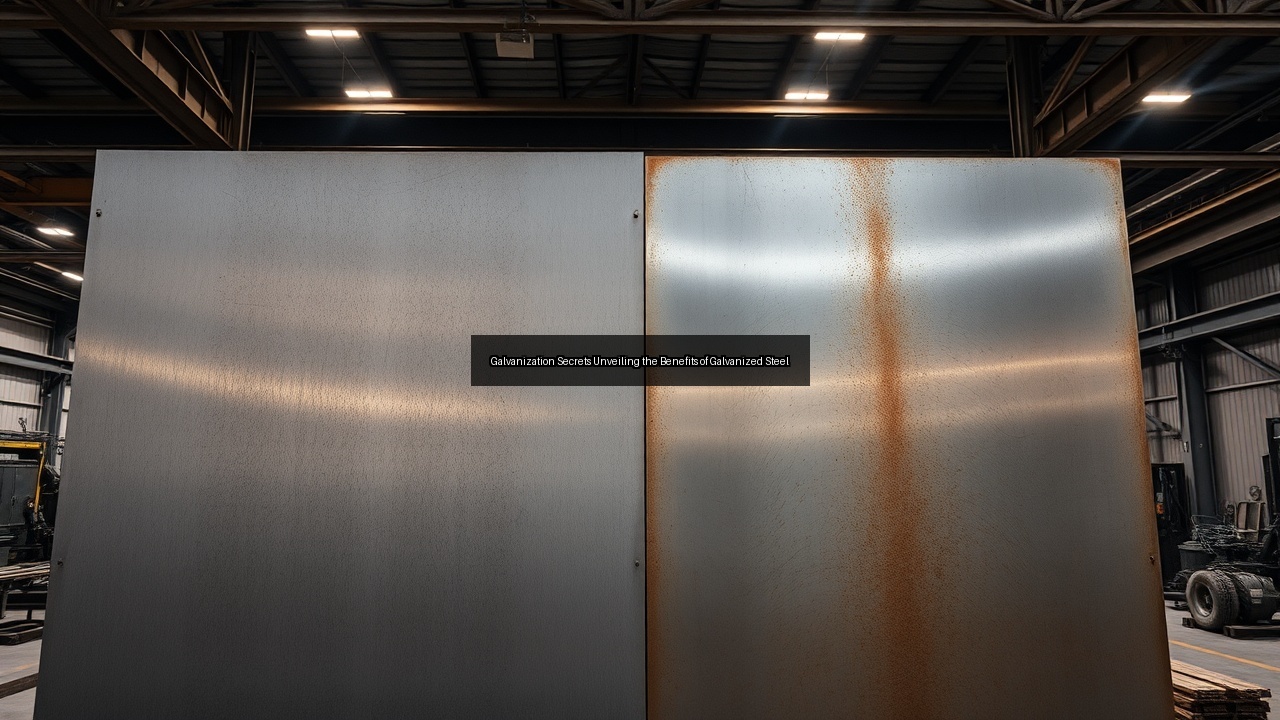
Galvanization applies a protective zinc coating to steel surfaces through a metallurgical bond that shields the base metal from environmental exposure. This process creates a barrier that prevents moisture and oxygen from reaching the steel, stopping rust formation at the source. Manufacturers rely on galvanization to extend service life in demanding conditions where untreated steel would degrade quickly. The zinc layer also provides cathodic protection, meaning it sacrifices itself to protect exposed steel edges or scratches. Industries choose this method because it delivers consistent results without complex maintenance routines. Galvanized steel outperforms bare metal in outdoor settings by resisting atmospheric corrosion effectively over decades of use.
The Process of Galvanizing Steel
Hot-dip galvanizing begins with thorough cleaning of steel surfaces to remove oils, scales, and oxides. Workers immerse the cleaned steel in molten zinc at around 450 degrees Celsius, allowing the zinc to react with the iron and form durable alloy layers. The coating thickness depends on immersion time and steel composition, typically ranging from 50 to 150 microns for structural applications. Post-dip cooling controls crystal formation on the surface for better appearance and adhesion. This method covers complex shapes completely, including internal cavities in pipes and frames. Continuous galvanizing lines handle sheet metal coils at high speeds for automotive and appliance production, ensuring uniform protection across large volumes.
Applications of Galvanized Steel in the Metal Industry
Galvanized steel serves structural beams, guardrails, and fencing in construction projects where exposure to weather demands long-term durability. The metal industry uses it for HVAC ductwork and roofing panels because the coating withstands condensation without corroding. Agricultural equipment benefits from galvanized components that resist soil chemicals and moisture during field operations. Electrical transmission towers rely on galvanized steel for corrosion resistance that maintains integrity across remote installations. Fabricators select galvanized sheet metal for enclosures and brackets that require both strength and surface protection without additional painting steps.
Galvanized Steel vs. Stainless Steel: A Comparative Analysis
Corrosion Resistance: Galvanized vs. Stainless
Galvanized steel vs stainless steel reveals clear differences in how each material handles corrosive environments. Galvanized coatings provide sacrificial protection that works well in mild atmospheric conditions but wears away over time in aggressive chemicals or saltwater. Stainless steel contains chromium that forms a passive oxide layer for inherent corrosion resistance without relying on an outer coating. Stainless maintains performance in marine or acidic settings where galvanized surfaces would require frequent replacement. Galvanized steel offers adequate protection for general outdoor use at lower initial cost, while stainless excels in applications demanding zero maintenance over extended periods. The choice hinges on exposure severity rather than blanket superiority of either option.
Strength and Durability: Steel Plates and Sheet Metal
Both galvanized and stainless steel deliver high tensile strength for load-bearing roles, yet their durability profiles diverge under stress. Galvanized steel plates retain the mechanical properties of carbon steel while gaining surface protection that prevents pitting in humid climates. Stainless steel sheet metal withstands higher temperatures and maintains form without scaling in heat-intensive operations. Galvanized versions handle impact and abrasion effectively in construction frames, whereas stainless resists deformation in chemical processing equipment. Fabricators note that galvanized steel plates often prove sufficient for structural projects where extreme corrosion does not occur, balancing weight and longevity without premium pricing.
Weldability and Fabrication: A Closer Look
Weldability favors galvanized steel in many fabrication shops because the zinc coating burns off during welding with proper ventilation, allowing standard procedures on the underlying steel. Stainless steel demands specialized fillers and controlled heat input to avoid carbide precipitation that reduces corrosion resistance near welds. Laser cutting processes both materials cleanly, though galvanized sheet metal requires fume extraction to manage zinc vapors. Galvanized steel accepts bending and stamping without coating damage in most cases, supporting high-volume production of brackets and panels. Stainless fabricates into complex shapes for pressure vessels but requires post-weld passivation to restore surface protection fully.
The Benefits of Using Galvanized Steel
Cost-Effectiveness and Pricing Considerations
Galvanized steel delivers lower upfront prices compared to stainless steel for equivalent structural sections, making it attractive for budget-conscious projects. The coating process adds minimal expense while eliminating the need for repeated painting cycles over the material's lifespan. Steel prices fluctuate with market conditions, yet galvanized options consistently undercut stainless by 30 to 50 percent depending on grade and thickness. Projects using galvanized sheet metal avoid ongoing maintenance labor costs associated with rust prevention. Buyers evaluate total ownership expenses rather than initial quotes alone, recognizing that galvanized steel provides reliable service without the premium attached to stainless alloys in moderate environments.
Sustainability Aspects of Galvanized Steel
Galvanized steel supports sustainability through full recyclability at end of life, with zinc recovery rates exceeding 90 percent in modern steel production facilities. The coating extends product life, reducing replacement frequency and conserving raw materials over time. Carbon emissions during galvanizing remain lower than those required for stainless steel production due to simpler alloying elements. Steel mills integrate recycled content into galvanized products without compromising coating quality. Industries adopt galvanized steel to meet environmental targets while maintaining performance standards in infrastructure and equipment builds.
Long-Term Performance: Reducing the Risk of Corroding
Galvanized steel reduces the risk of corroding by forming a metallurgical barrier that outlasts organic coatings in outdoor exposure. Zinc layers continue protecting steel even after minor surface abrasion occurs, unlike paint systems that fail at scratches. Long-term tests show galvanized structures maintaining integrity for 50 years or more in rural and urban settings. This performance lowers replacement frequency and associated downtime in industrial facilities. Engineers specify galvanized steel where predictable service life matters more than absolute corrosion immunity in harsh chemical zones.
Applications and Industries Utilizing Galvanized vs. Stainless Steel
Construction and Infrastructure
Construction projects favor galvanized steel for bridges, stadiums, and highway barriers that endure constant weather exposure. Galvanized vs stainless decisions often come down to cost when stainless corrosion resistance exceeds actual site requirements. Infrastructure planners select galvanized fasteners and railings for their balance of strength and economy across large-scale installations. Stainless steel appears in architectural facades where aesthetic longevity justifies higher material prices. Both metals contribute to durable builds, yet galvanized steel dominates volume applications where budgets constrain material selection.
Pressure Vessels and Heavy Machinery
Pressure vessels in moderate service environments use galvanized steel linings or external shells when internal fluids do not attack zinc. Heavy machinery frames benefit from galvanized protection against mud and road salts during transport operations. Stainless steel dominates vessels handling corrosive liquids or high-pressure steam where material failure carries safety risks. Galvanized components in machinery reduce weight compared to stainless equivalents while delivering adequate rust prevention. Manufacturers match material choice to operating conditions rather than applying one type universally across equipment lines.
Fasteners and Laser Cutting Technologies
Fastener production relies heavily on galvanized steel for bolts, nuts, and screws used in outdoor assemblies because the coating prevents thread seizure from rust. Laser cutting technologies process galvanized sheet metal efficiently for custom brackets and enclosures with minimal edge degradation. Stainless fasteners serve critical joints in food processing or medical equipment where hygiene standards prohibit zinc coatings. Galvanized options maintain thread integrity longer than bare steel in storage before installation. Fabricators combine laser cutting precision with galvanized stock to produce parts ready for immediate use without secondary finishing.
Making the Right Choice: Factors to Consider
Project Requirements and Material Selection
Material selection starts with mapping exposure conditions, load demands, and expected service duration against the properties of galvanized versus stainless steel. Galvanized steel meets needs for general construction and machinery where moderate corrosion protection suffices at controlled prices. Stainless steel becomes necessary when temperatures, chemicals, or hygiene rules exceed galvanized capabilities. Engineers review weldability, formability, and availability before finalizing choices for steel plates or sheet metal components. Clear requirement definitions prevent over-specification that inflates project costs unnecessarily.
Environmental Impact and Sustainability
Environmental impact assessments compare the carbon footprint of steel production for both galvanized and stainless options across the full lifecycle. Galvanized steel often scores favorably due to lower alloy content and simpler recycling streams. Sustainability goals encourage selection of materials with proven longevity to minimize resource extraction over decades. Projects targeting reduced emissions favor galvanized steel in applications where stainless offers marginal performance gains. Life-cycle analysis guides decisions that balance immediate environmental costs with long-term operational savings.
Future Trends in Steel Production and Usage
Future trends point toward advanced zinc alloys that extend galvanized steel performance in more aggressive environments without shifting to full stainless. Steel production facilities continue improving coating uniformity through automated lines that reduce material waste. Demand grows for hybrid solutions that combine galvanized cores with selective stainless cladding in high-wear zones. Laser cutting and additive manufacturing expand design possibilities for both metals in customized components. Market data shows sustained preference for galvanized steel in infrastructure while stainless gains share in specialized industrial segments requiring extreme durability.